News

Derek Phillips: Reflections on a pioneer in Independent Lighting Design
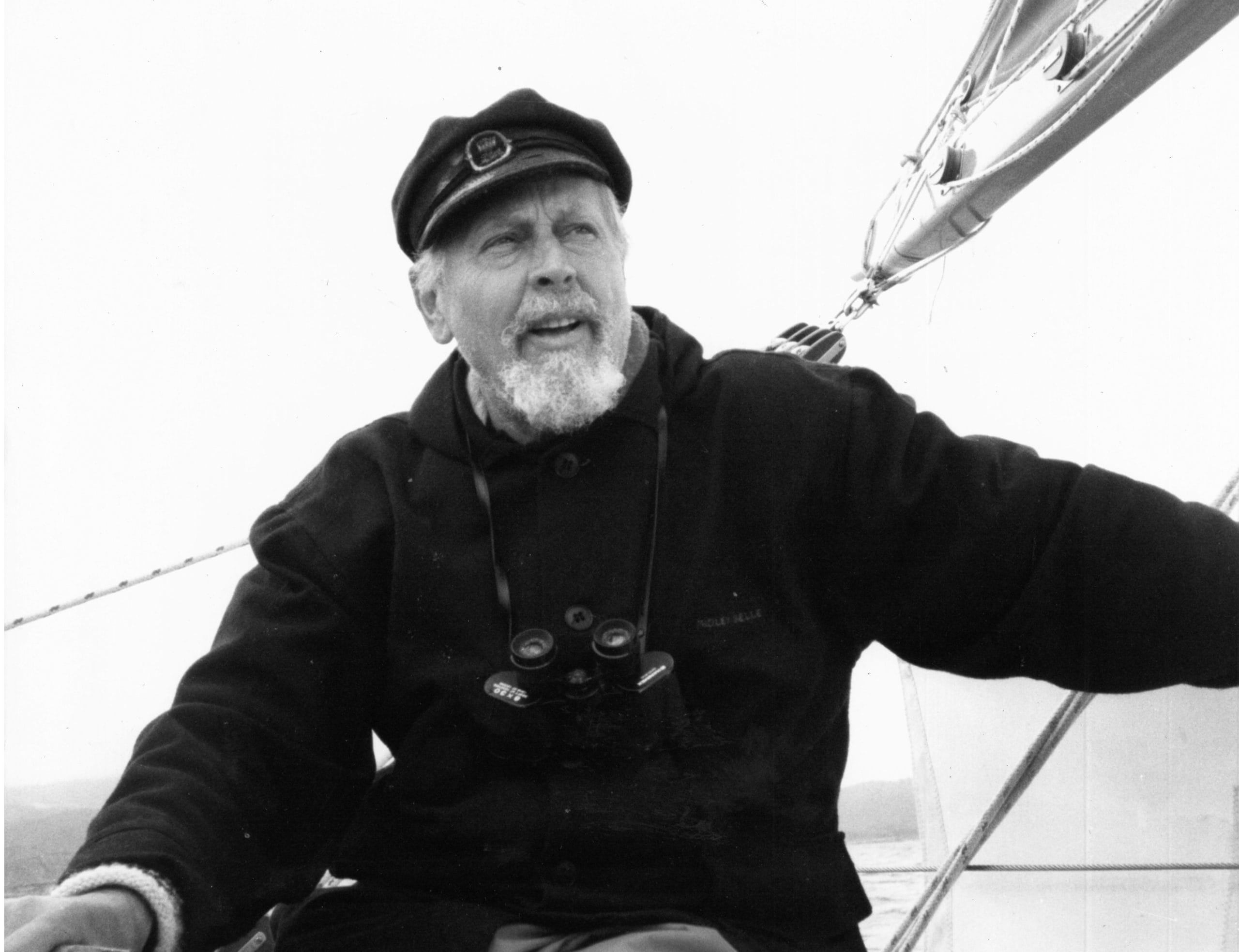
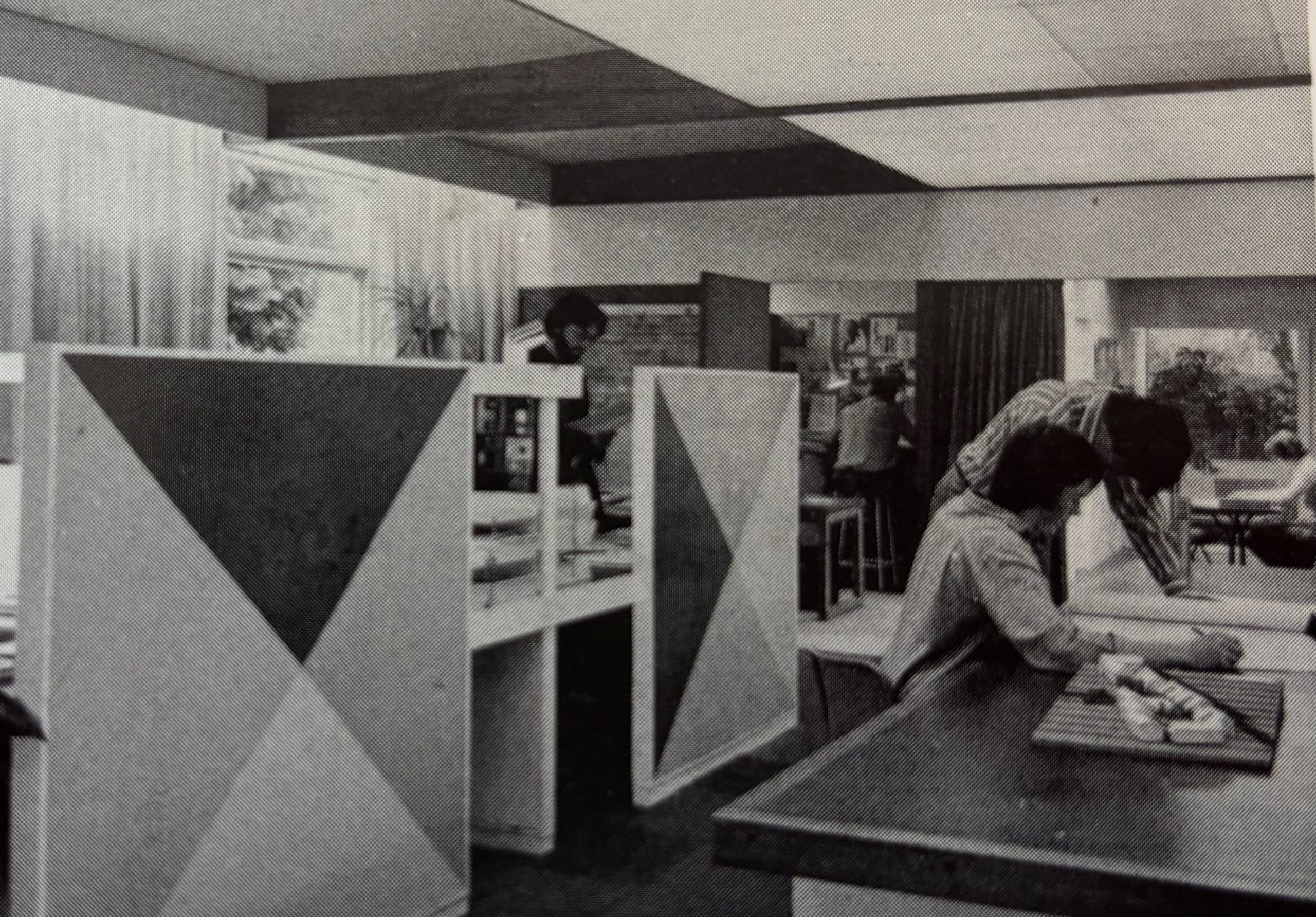
Born in Croydon on 24 February 1923, Derek Phillips spent his earliest years in India, where his father, Reg Phillips, worked for the Imperial Bank of India. At the age of five, he was sent back to England to board at St Dunstan’s Preparatory School in Worthing, before moving on to Haileybury College in Hertfordshire. It was there, spending countless hours in the Art Department, that his lifelong fascination with design began to emerge.

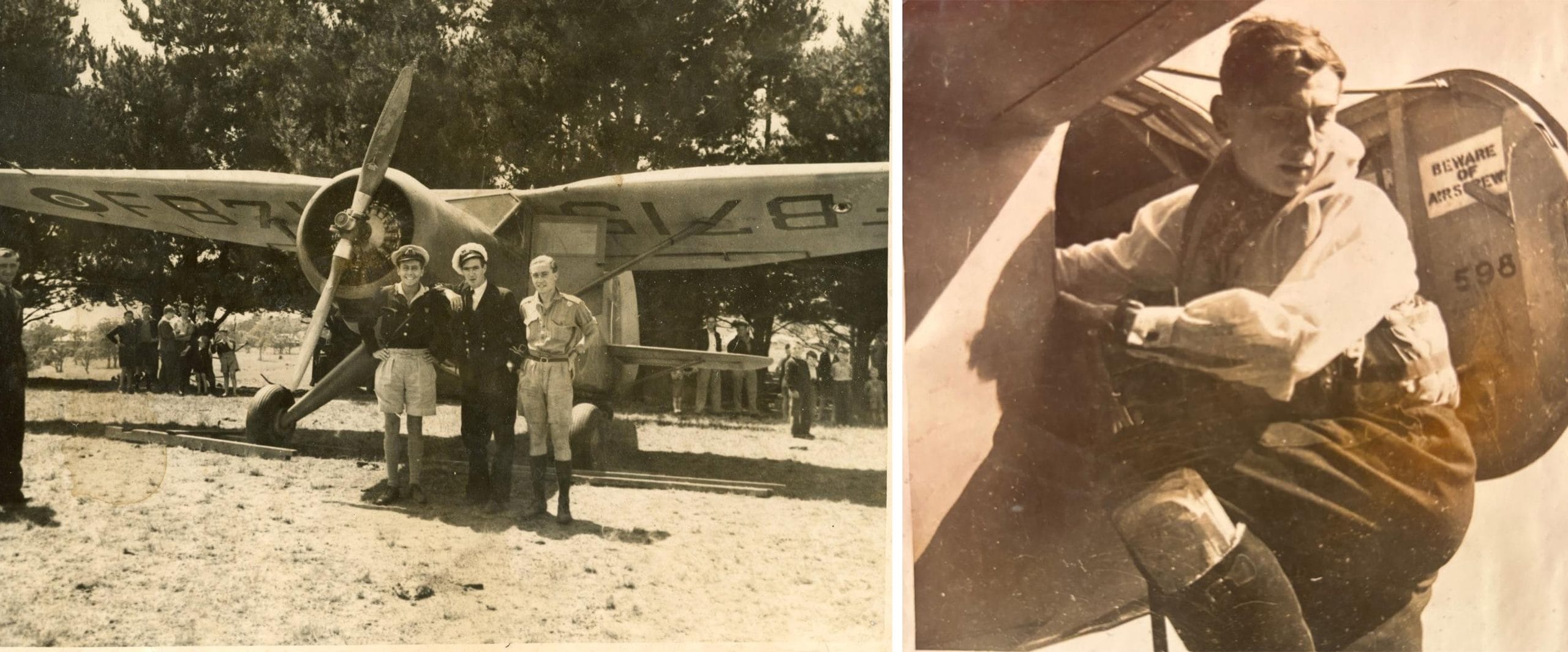
On his nineteenth birthday in February 1942, Derek joined the Royal Navy. He served in the Fleet Air Arm during the Second World War and later became part of the Navy’s first Night Fighting Squadron. During his service he developed a close friendship with Pilot Lieutenant Dennis Thornley, a qualified architect who encouraged him to pursue a career in architecture.
Derek’s Student Days / Meeting Le Corbusier

Following the war, Derek secured educational release and gained a place at the University of Liverpool to study Architecture, graduating with First Class Honours. It was during these years that he experienced one of the encounters he would recount throughout his life.

Travelling through Europe with fellow students Nick Diamantis and Philip Dod on a research trip, the three stopped in Paris to visit Le Corbusier’s Armée du Salut and the Cité Universitaire. They were fortunate to meet Le Corbusier himself and, amongst subjects, discussed the architect’s project Chapelle Notre-Dame du Haut, Ronchamp, France.
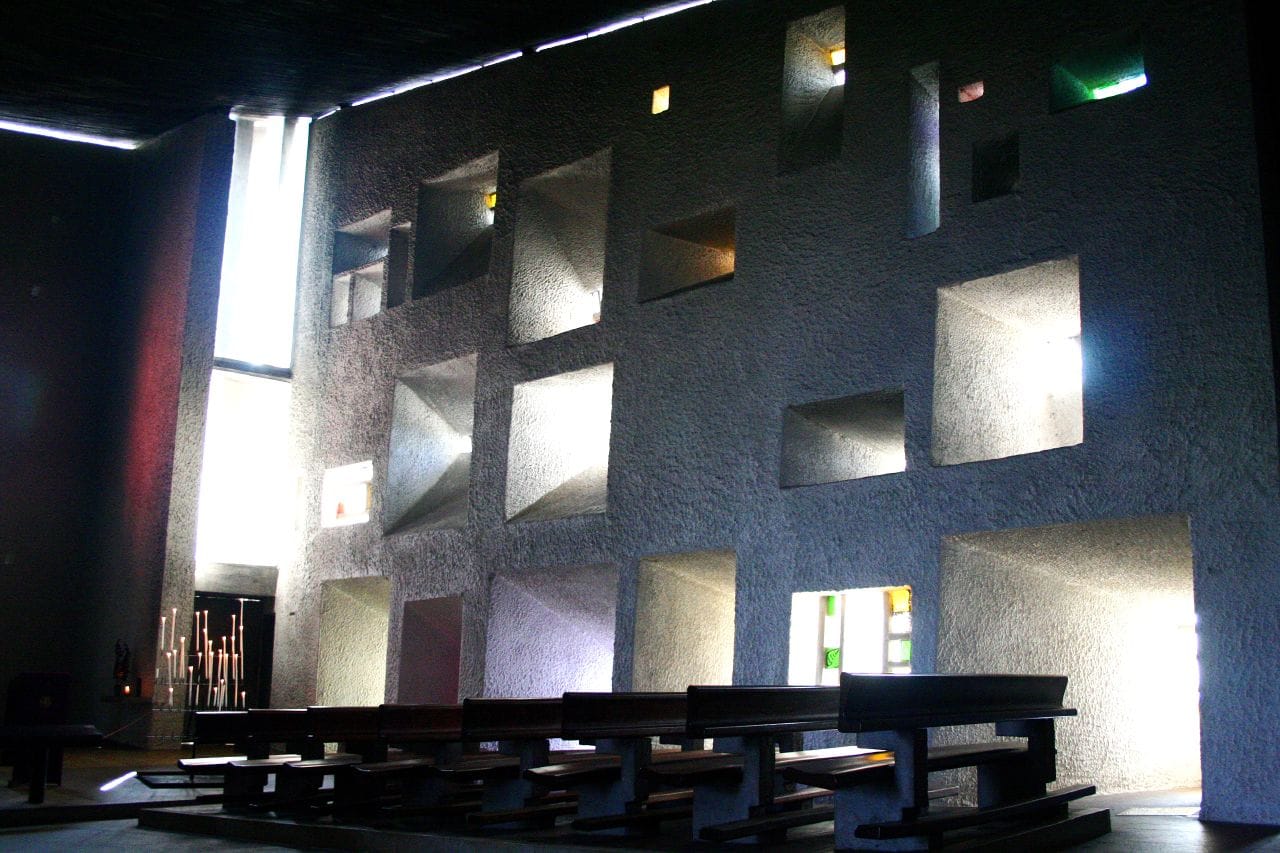
“We couldn’t believe our luck when, visiting the latter, Nick spotted a chap painting up a ladder and whispered ‘I think that’s Charles-Edouard Jeanneret’ and so it was, – Le Corbusier himself.”

For a young architecture student, stumbling across one of the twentieth century’s most influential architects while he was at work was a moment that left a lasting impression.

At the end of his degree, the Vice-Chancellor encouraged Derek to apply for a Commonwealth Fund Fellowship in America. There were, however, two conditions.

“There were two things I had to do – shave off my beard and, more importantly, write a programme of work to be carried out in America.”

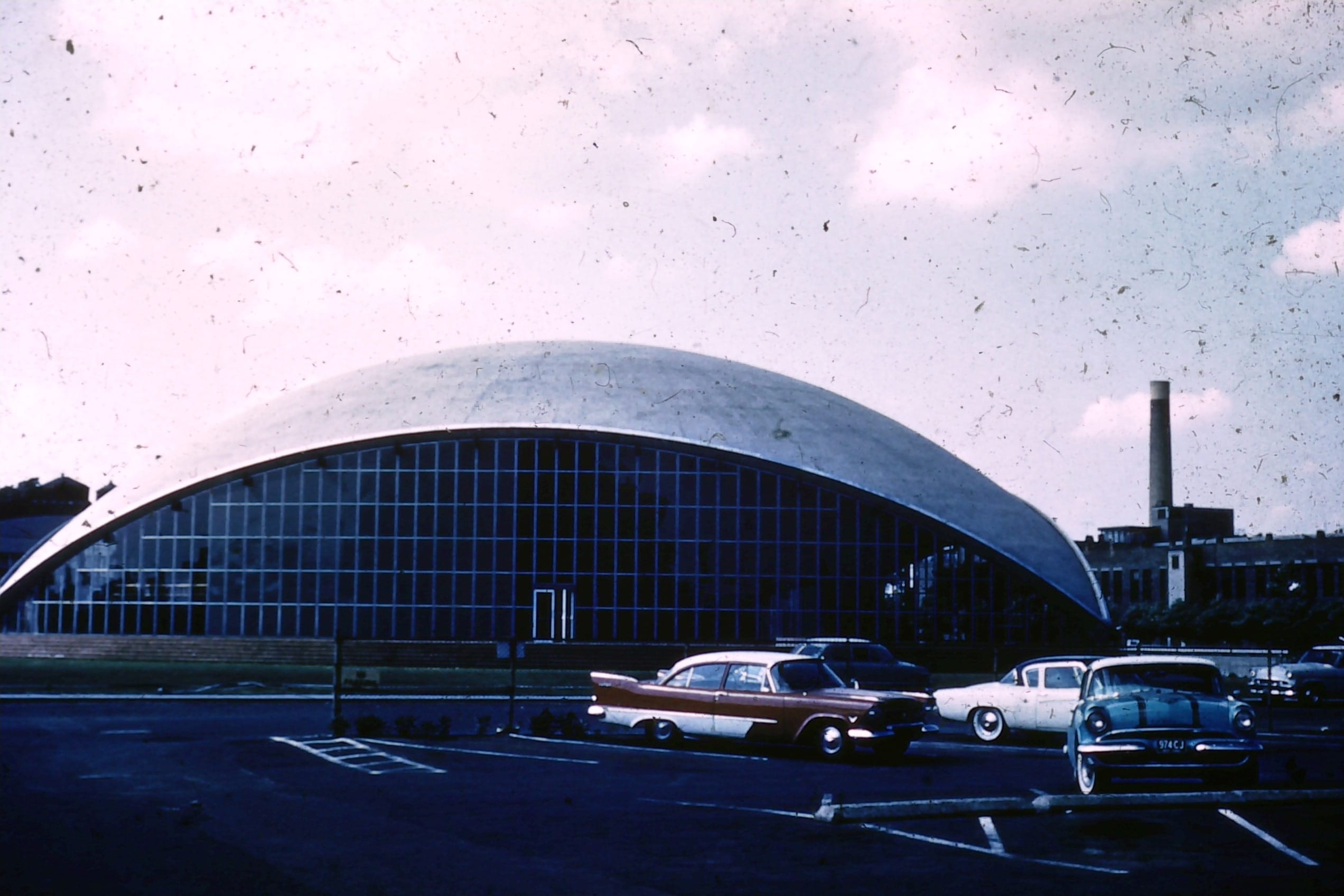
After discussions with Dennis Thornley, Derek proposed a study into the importance of daylight in city planning, which secured him a place at the Massachusetts Institute of Technology (MIT). On arrival, however, he received an unexpected response from Dean Anderson:

“You have come to the wrong place, we don’t know anything about daylight. In America we pull down the blinds and turn on the electric light.”

Rather than resist the change in direction, Derek began research into the use of artificial light in architecture, ultimately forming the basis of his Master’s degree and introducing him to the discipline that would define the his career.
Frank Lloyd Wright

While travelling in the United States, another extraordinary opportunity presented itself. Having written in advance to Frank Lloyd Wright, Derek was invited to visit Taliesin West, Wright’s winter home and studio in Arizona.
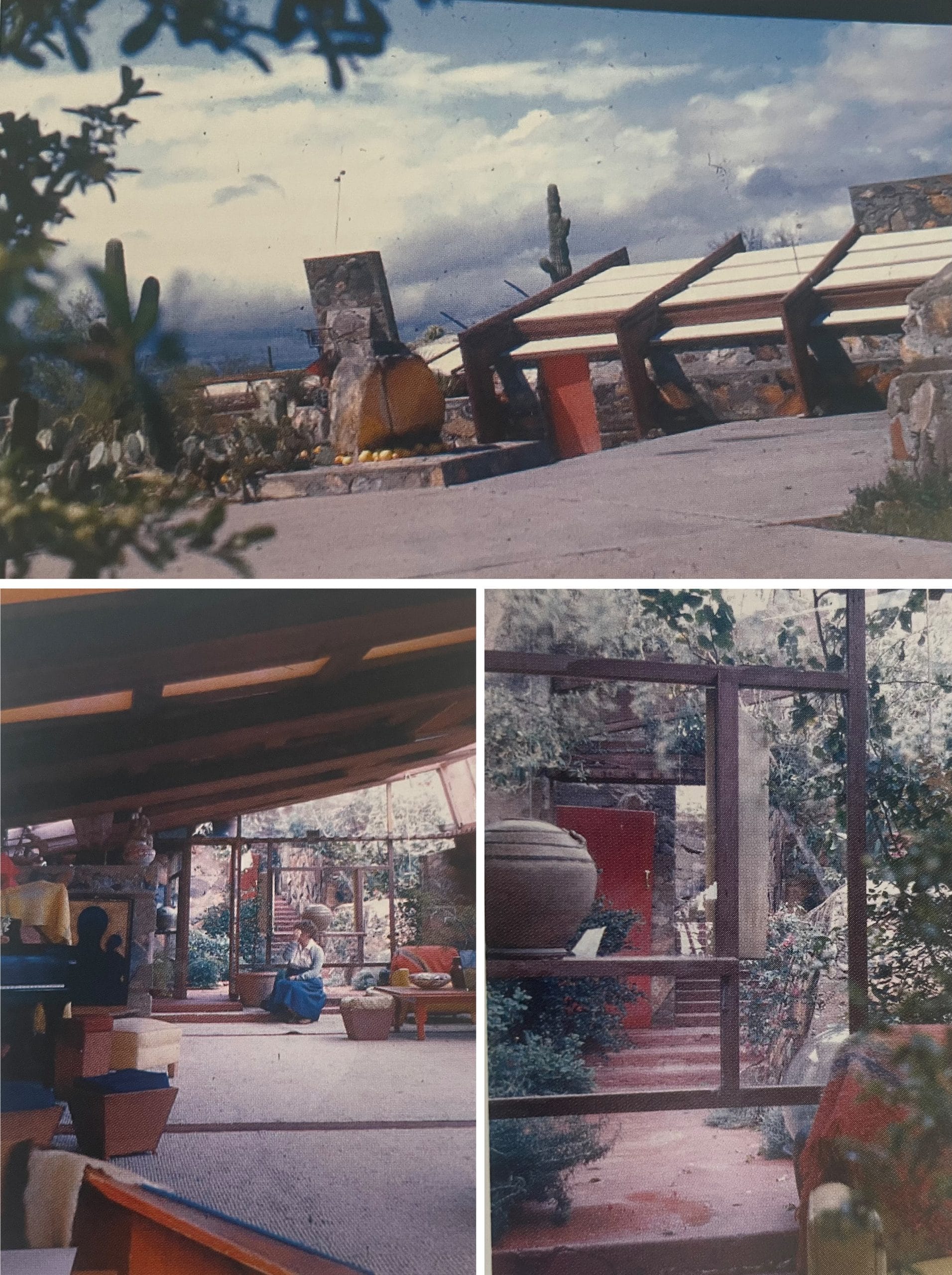
The meeting became one of the defining moments of his professional life. During an hour-long conversation about architecture, Wright spoke passionately about his work and his approach to lighting, talking about his invention of concealed lighting. More importantly, the visit crystallised an idea that would guide Derek’s philosophy for decades to come:

“I could see that it was the song not the singer that was paramount: the lit impression, and not the equipment which produced it, whether daylight or artificial.”

For Derek, lighting was never about luminaires or technology alone. It was about the experience of architecture and the emotional impact of light.

The Birth of Independent Lighting Design

In 1956, while working for British Thomson-Houston, Derek was commissioned to design the lighting for the British Exhibition at Tivoli Gardens in Copenhagen. Although a prestigious project, it exposed what he saw as a fundamental problem within the industry. Restricted to using only one manufacturer’s equipment, he became convinced that lighting design needed a truly independent voice, one capable of selecting the most appropriate solution regardless of supplier.

His vision was clear: consultants should be able to recommend lighting equipment “best fitted to the needs of a project from whatever source.”

Two years later, in 1958, Derek founded what is widely recognised as the UK’s first independent lighting design consultancy, opening an office in Bovingdon, Hertfordshire under the name Derek Phillips Architect and Consultant.
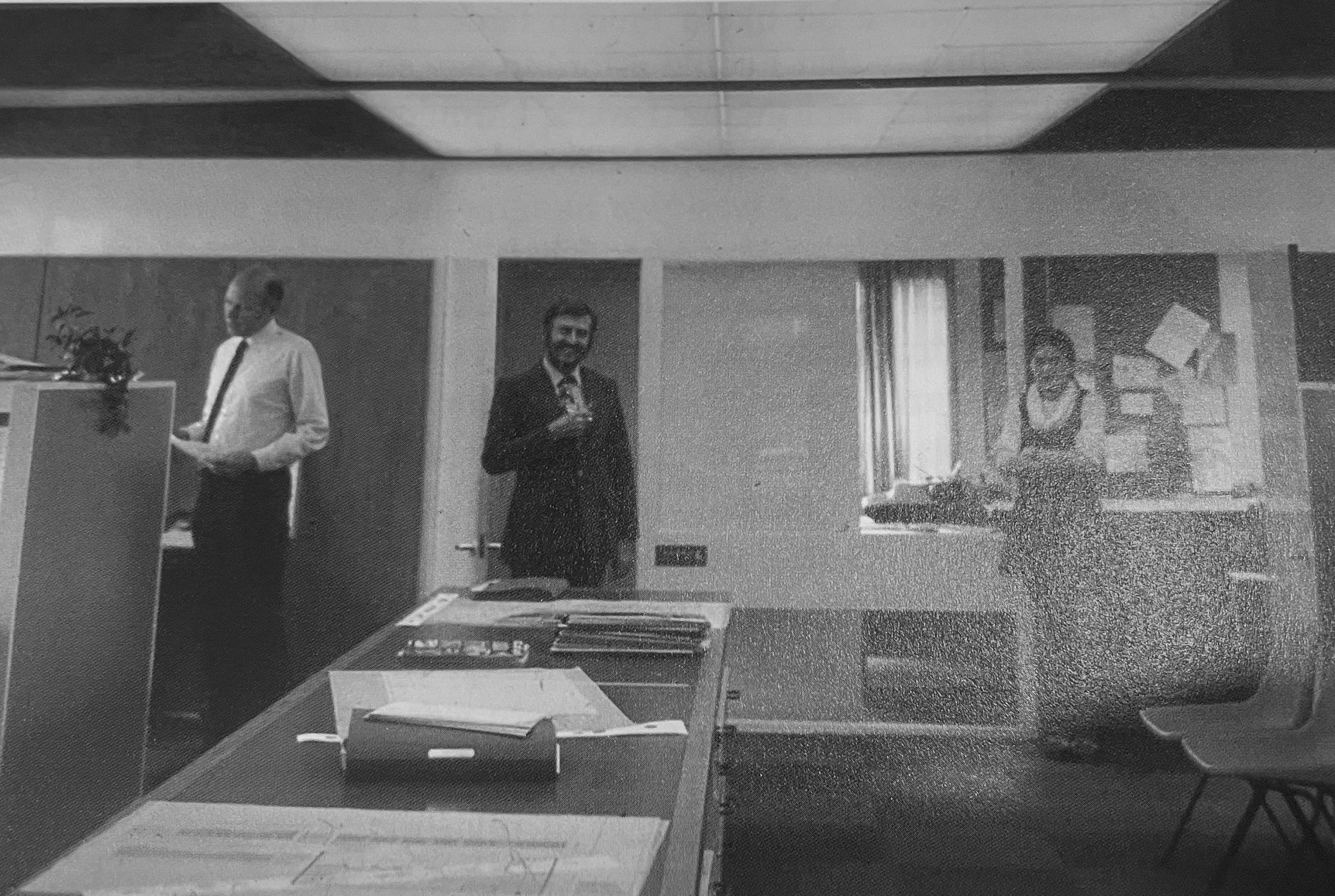
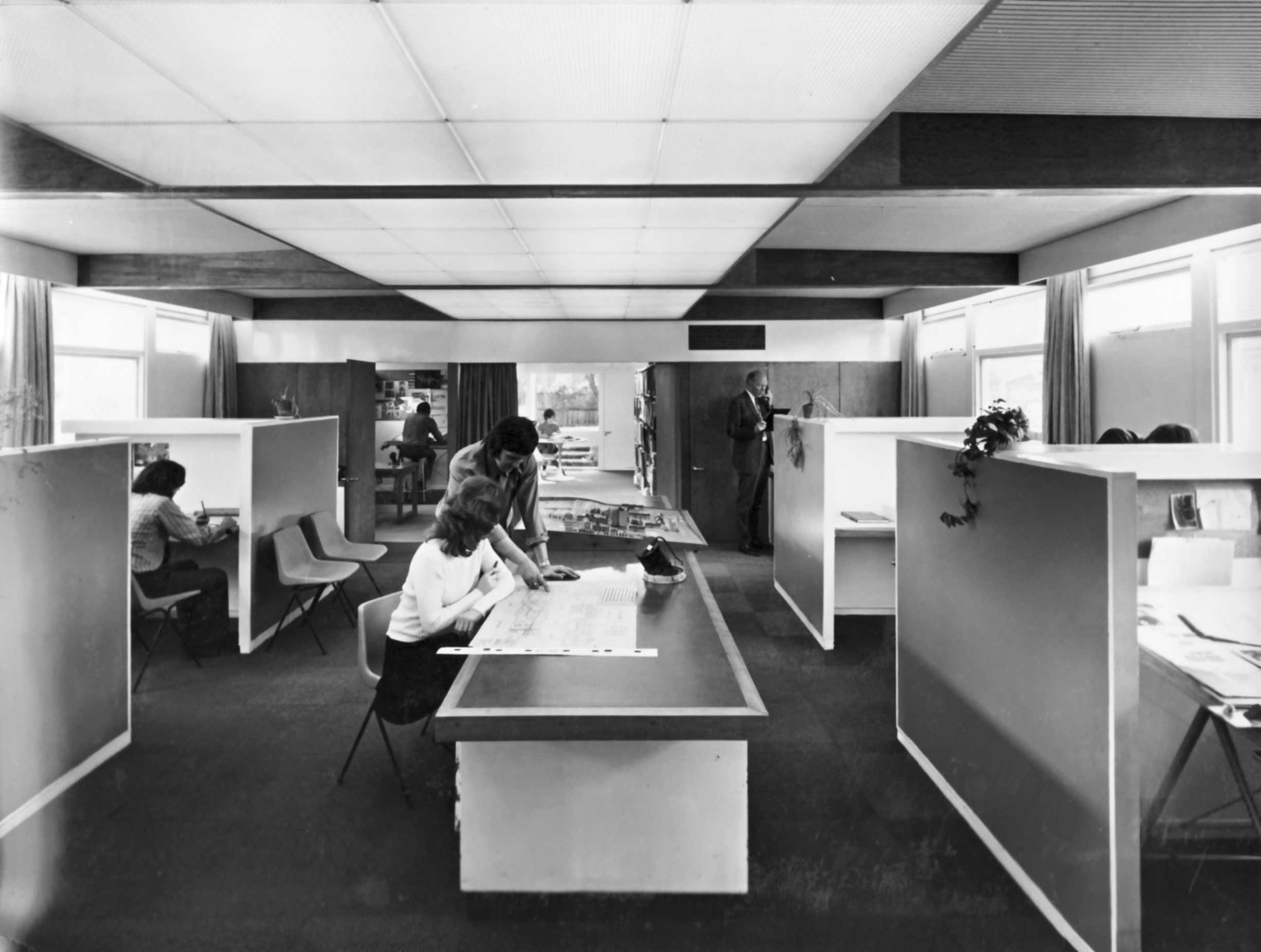
One of the practice’s earliest and most significant commissions was the SS Oriana in 1960. Derek was appointed to advise a distinguished team of architects, including Sir Hugh Casson, Brian O’Rourke and R.D. Russell, on the lighting of the ship’s public spaces. The project helped establish lighting design as a specialist discipline in its own right and demonstrated the value of independent expertise within major architectural projects.
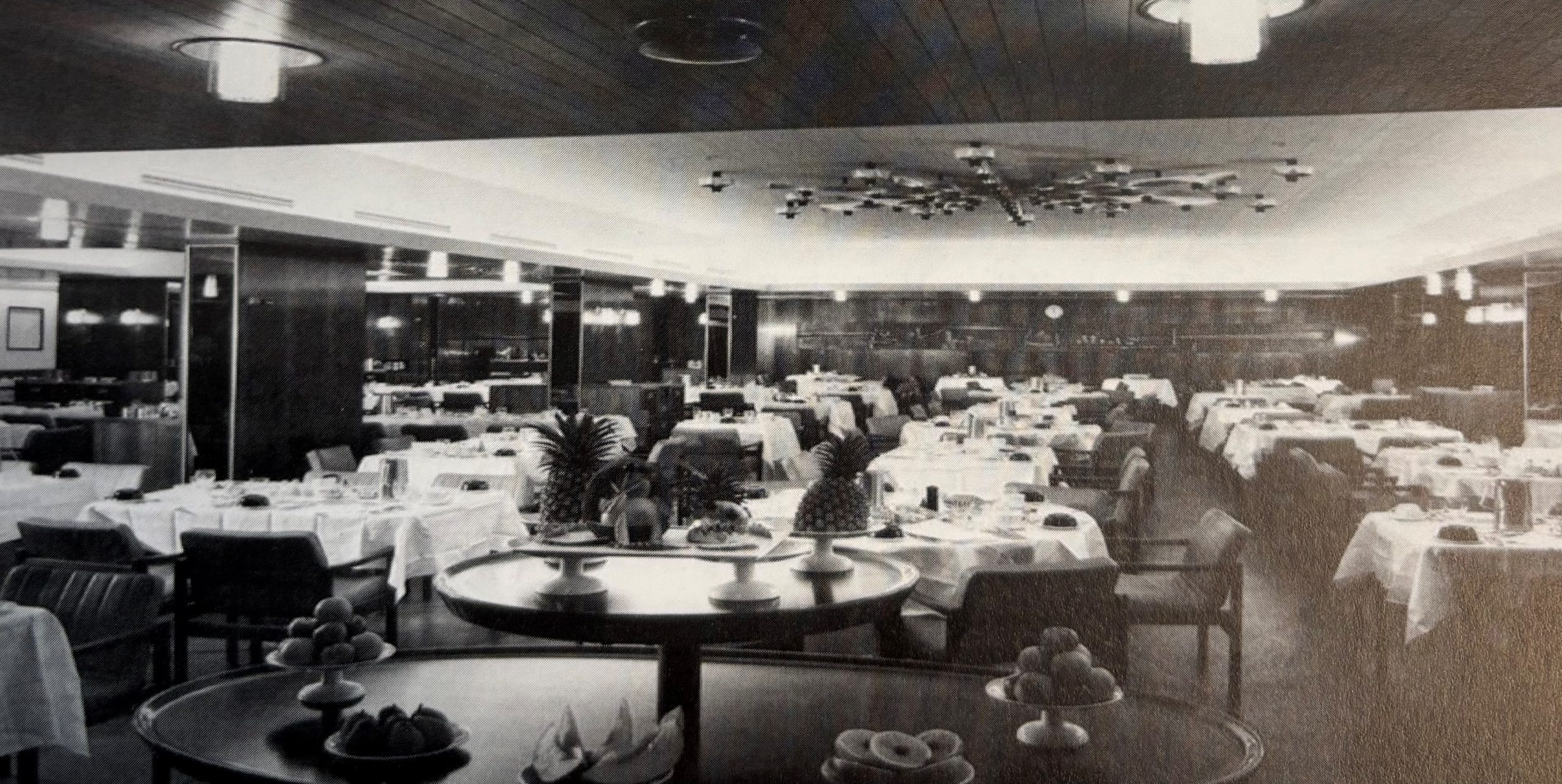
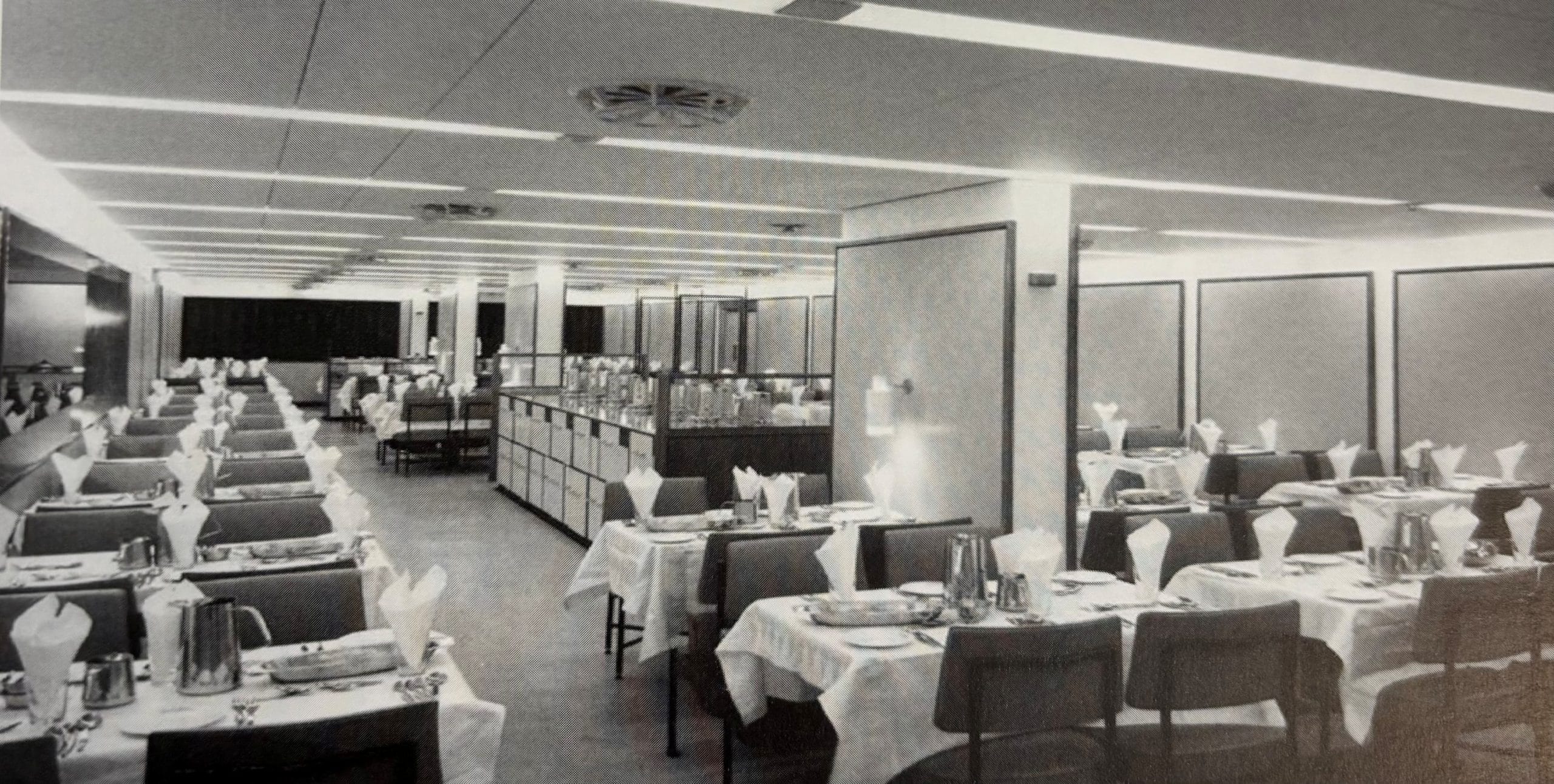
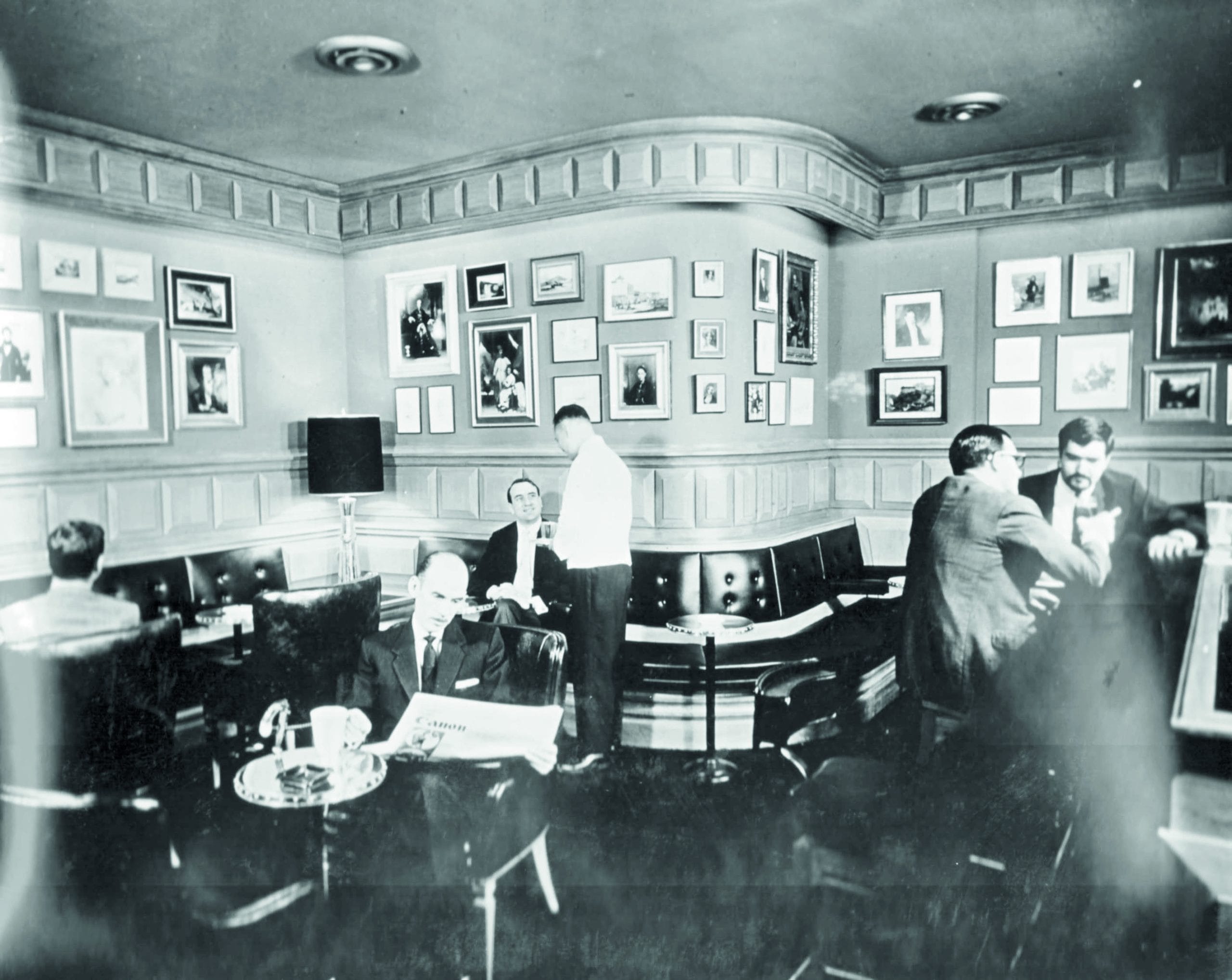
Another defining moment came when the Council of Industrial Design introduced Derek to designer Don Ashton during the development of the new Mandarin Hotel in Hong Kong.

The story perfectly captures both Derek’s individuality and the still-emerging status of lighting design at the time.

“It shows how little the subject of lighting was regarded, as on arrival I was met by Don who said I might be amused by the telex he had received from London which said, ‘This chap Phillips knows something about lighting, but wears very peculiar socks’.”

Behind the humour was an important point. Don Ashton had approached Derek because he needed impartial professional advice after receiving unsatisfactory proposals from numerous lighting manufacturers across Europe and America. It was exactly the gap in the market that Derek believed independent lighting consultants should fill.

A Lasting Legacy

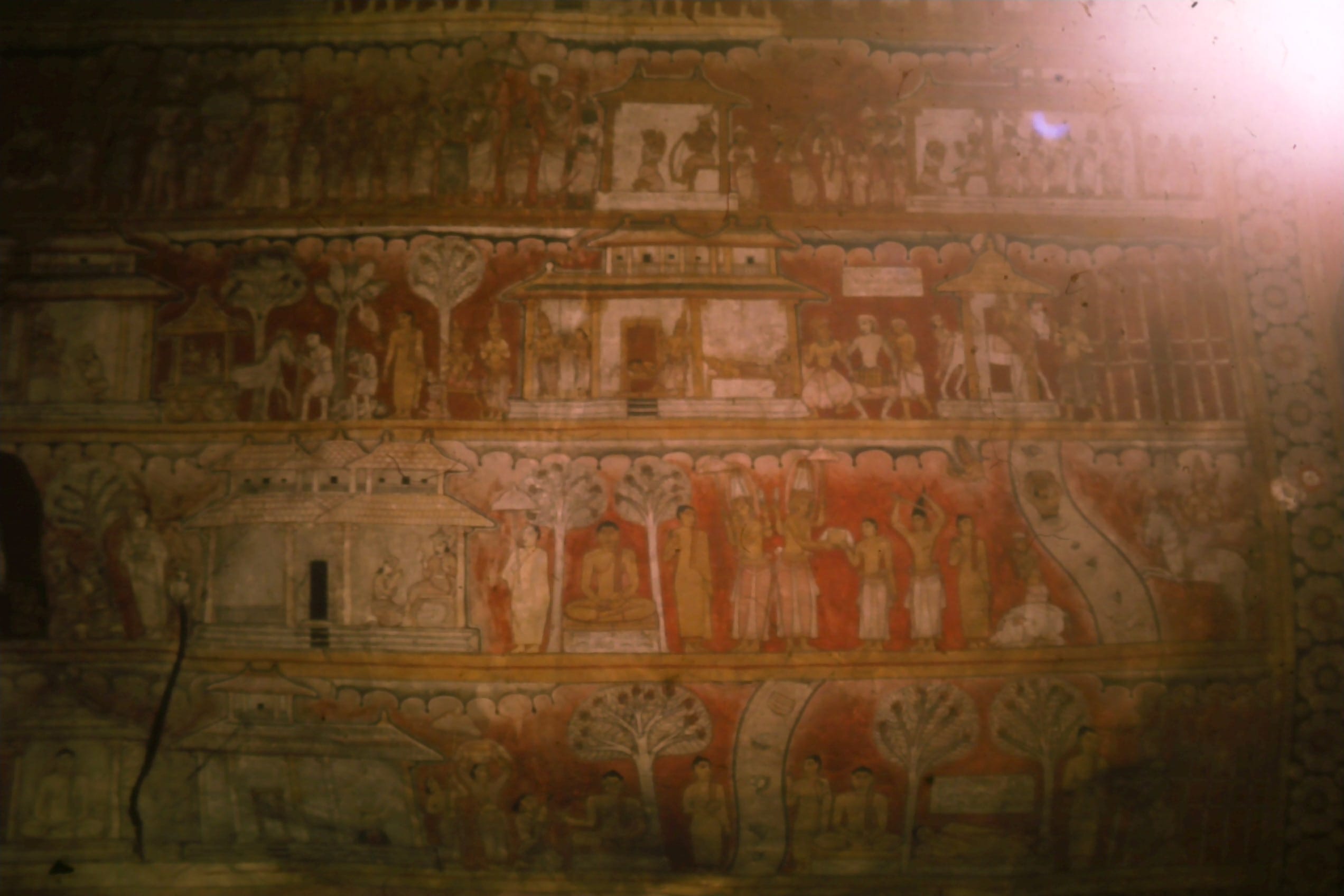
Over the following decades, Derek’s influence extended across the world. His projects included the Foreign Office buildings in Whitehall, UNESCO commissions advising on the lighting of Sri Lanka’s ancient monuments at Sigiriya, Polonnaruwa and the Dambulla Caves, as well as numerous hospitality, civic and heritage projects.
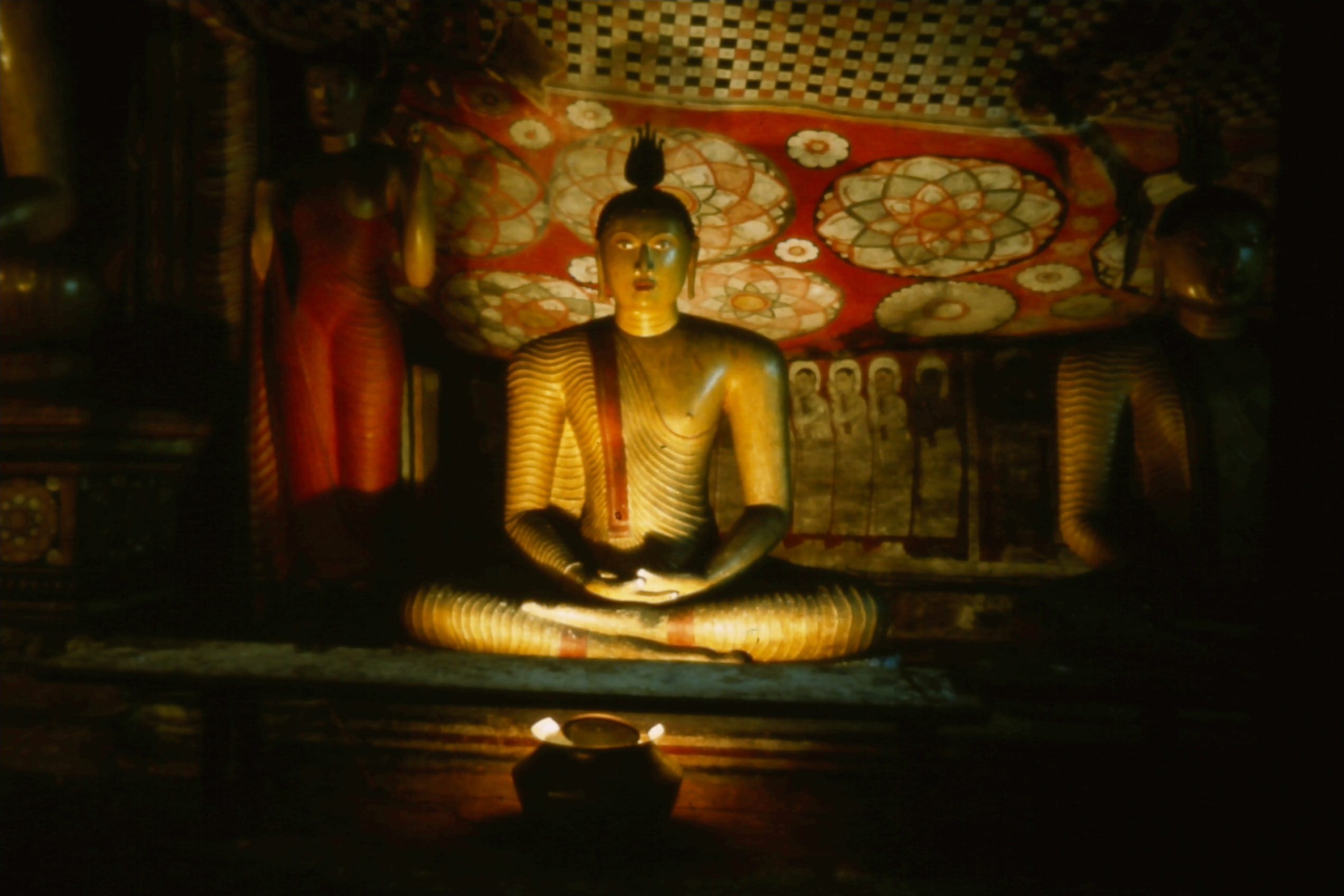
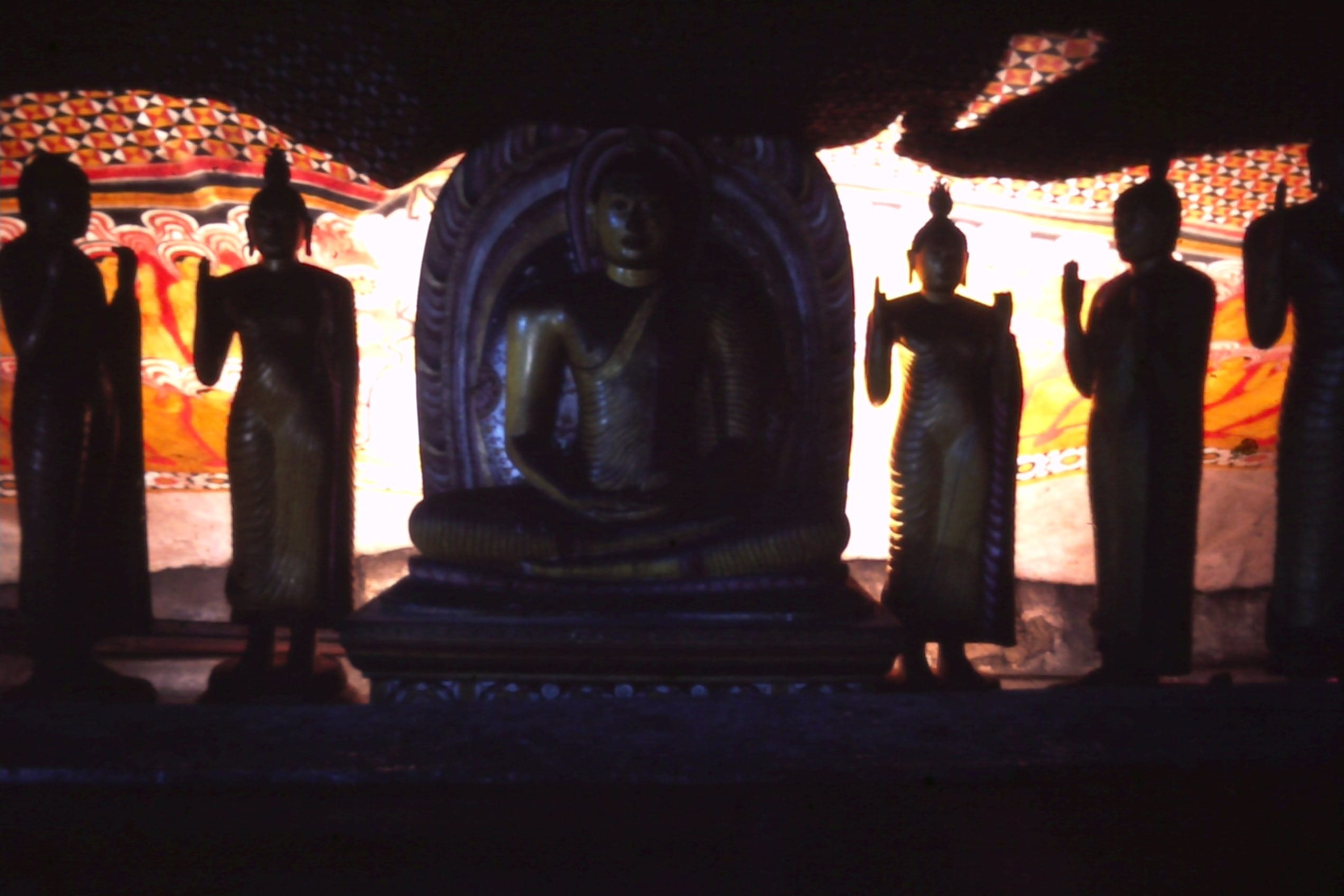
When Derek handed the practice over to Nick Hoggett in 1993, he left behind far more than a successful consultancy. He had established an entirely new profession, championed the importance of light as an integral part of architecture, and created a legacy that continues to shape the practice today.

Nearly seventy years later, dpa continues to build on those foundations from studios in the UK, Dubai, Greece and Japan, guided by the same principle that Derek recognised during his conversations with Frank Lloyd Wright: that great lighting is not about the equipment, but about the experience it creates.

“The judgement of whether a lighting scheme is successful is made in terms of the success of the architectural whole or unity of a building and it is made by those who use the building, in the light of their experience. The building must succeed in all levels of consciousness, in the severely practical problems of vision as much as in the more subtle spatial relationship of light and shade.”

Sources:

Five Careers and Dog, Derek Phillips, Book Guild Publishing, 2007

Lighting in Architectural Design, Derek Phillips, McGraw-Hill, 1964
in Press & reviews

Design Discussions – Building Communities

What makes a successful place? Is it housing, infrastructure and amenities, or is it the sense of belonging, connection and identity that turns a collection of buildings into a thriving community?

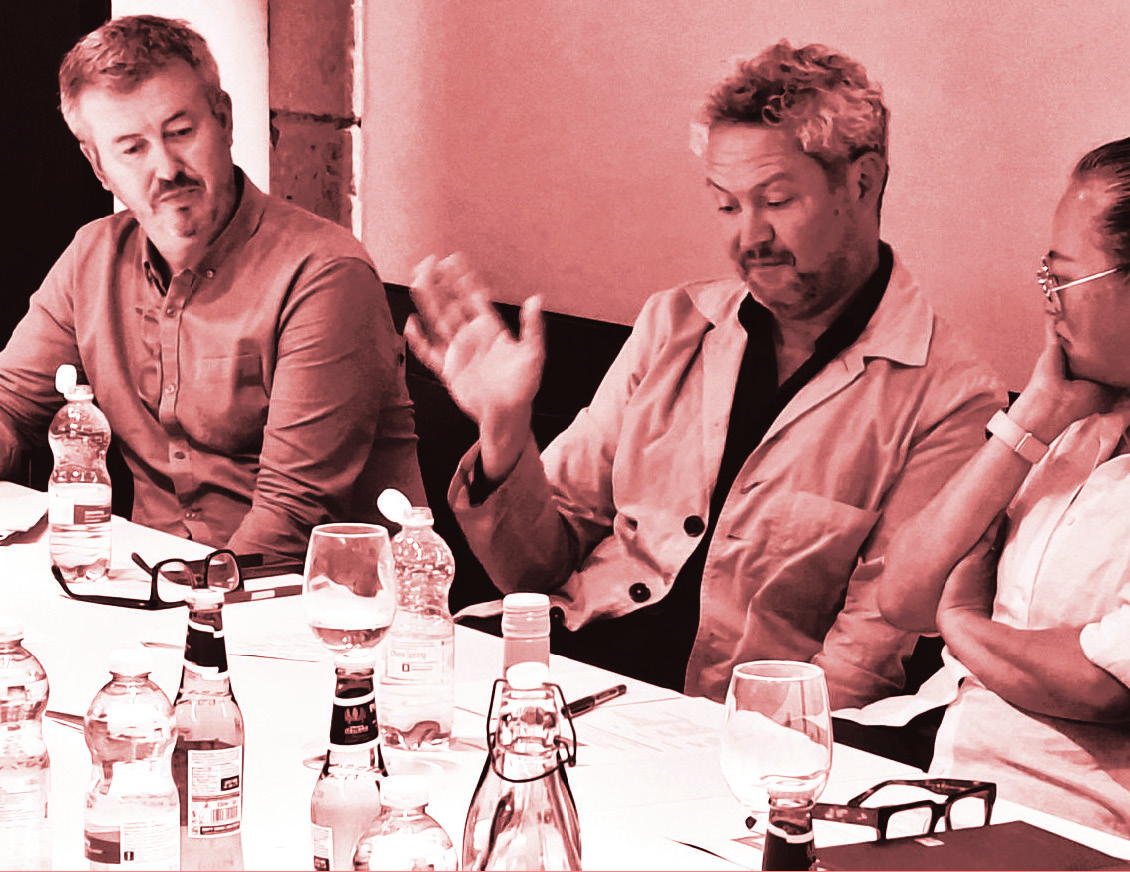
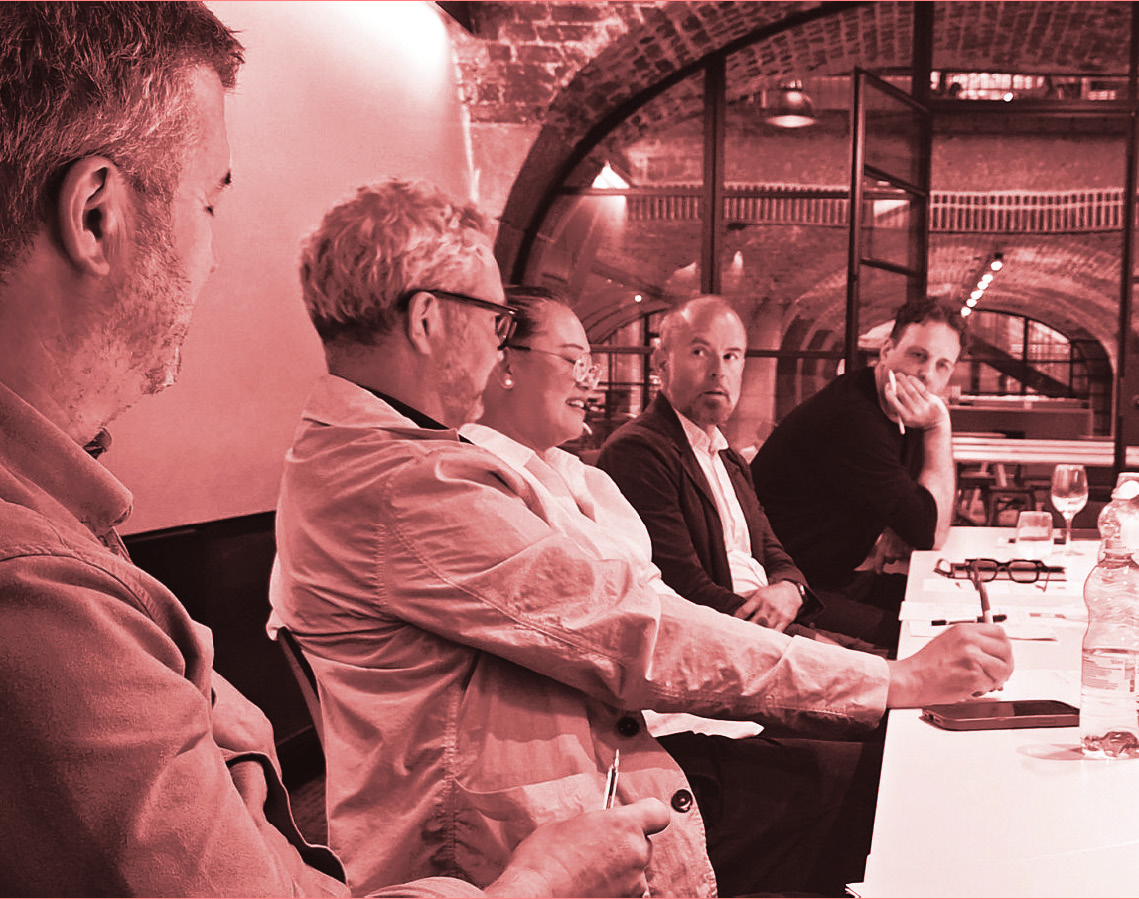
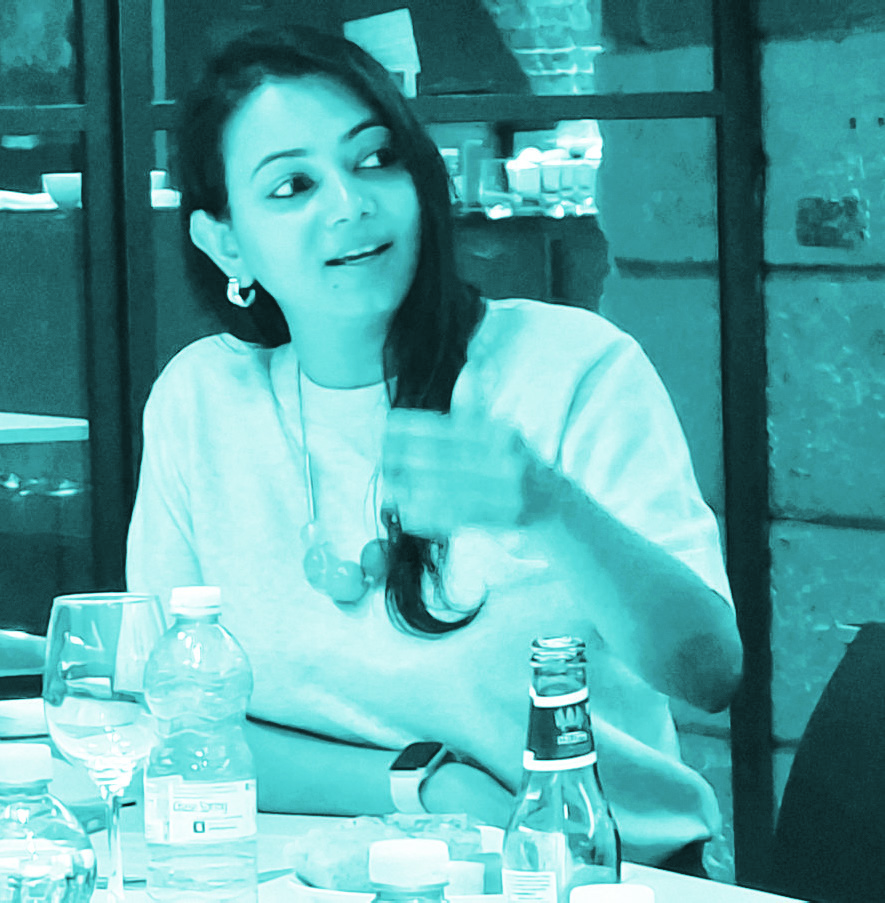
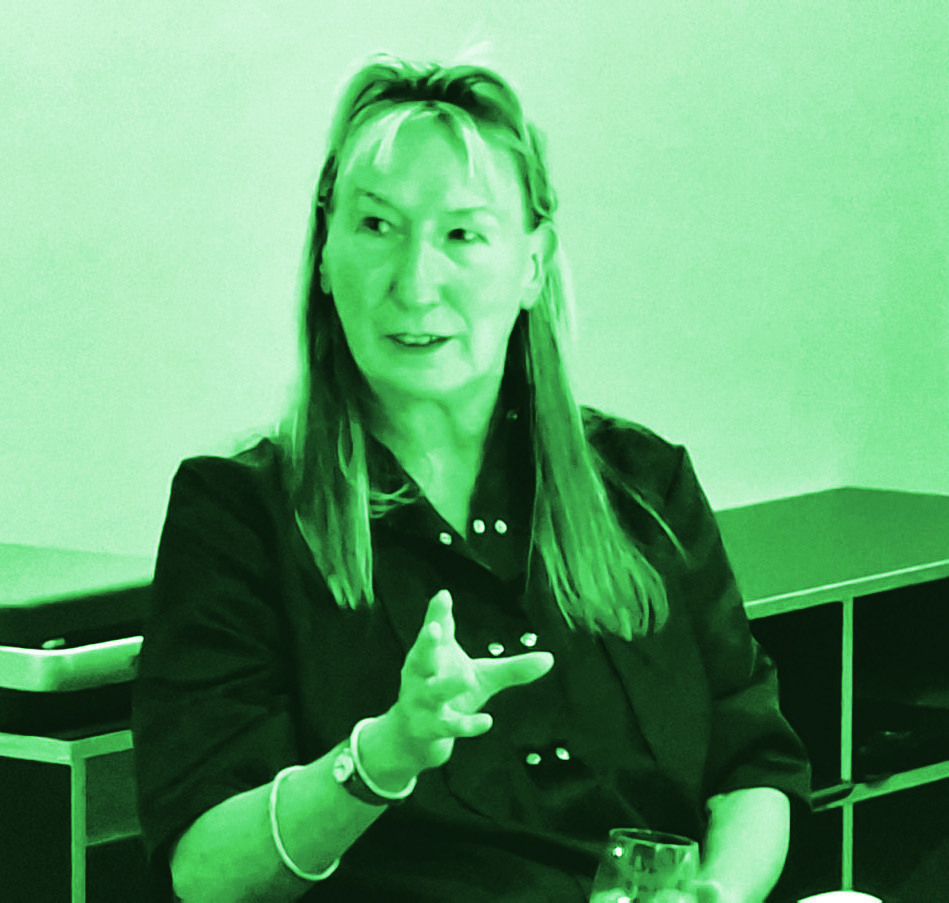
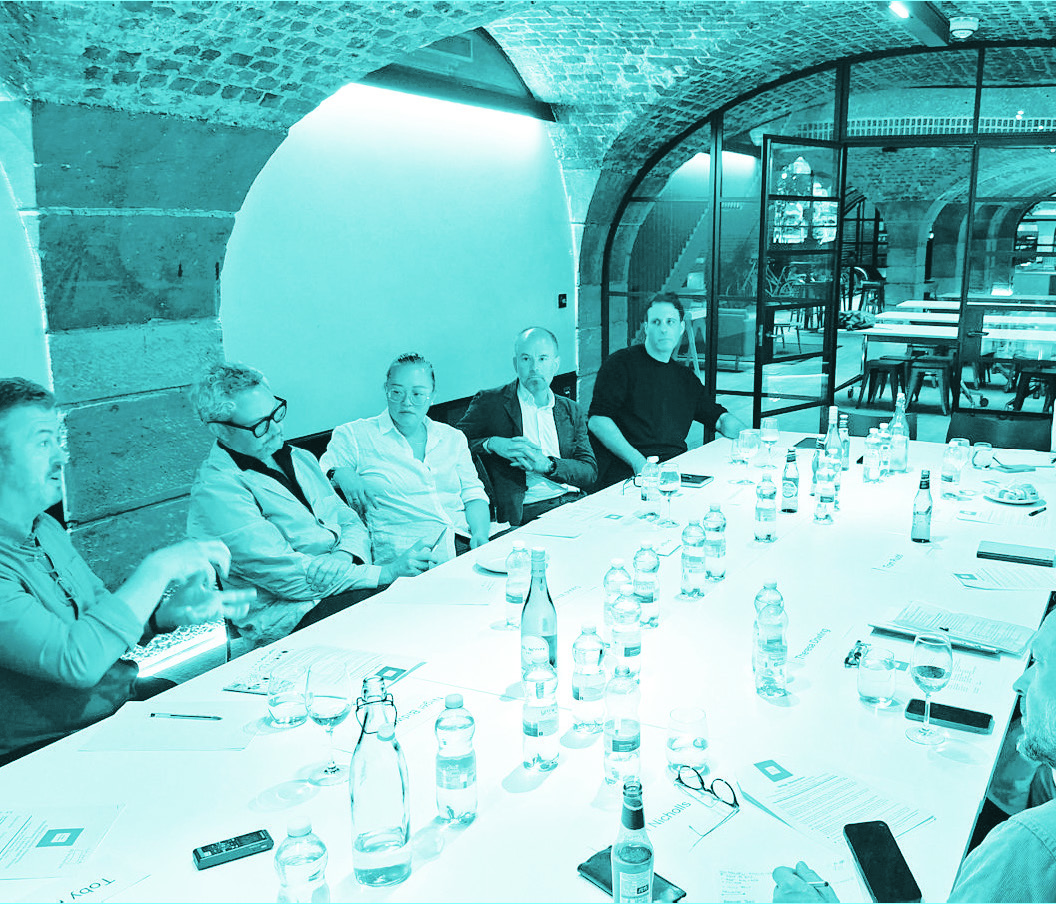
Invited by Theresa Dowling and hosted at JTP Studios in East London, the latest Design Discussion brought together leading voices from architecture, masterplanning, urban design, local government and the built environment to explore one of the industry’s most pressing questions: how do we create places that remain relevant, resilient and successful in an increasingly unpredictable future?

The panel featured senior architects from Broadway Malyan, JTP Studios, Urban Sketch, Fathom Architects, Allies and Morrison, BDP, Brent Council, Studio Egret West and dpa lighting consultants.

The conversation offers a compelling exploration of what tomorrow’s cities might look like, and the responsibilities of those shaping them today. From the balance between flexibility and permanence of infrastructure to the changing demographics of communities, the conversation highlights the complex challenges and visions facing the future of urban design.

Read the full Design Discussion PDF to explore the debate in detail.

in Press & reviews

People: Behind the Light

In our inaugural Behind the Light series, Richard Bolt reflects on a career spanning 3 decades at dpa. Having joined the practice in 1996, Richard has witnessed, and helped shape, the growth of dpa into the international practice it is today and we are delighted to be able to celebrate his 30th Anniversary with the Practice this year. 

Richard shares memories of his first award-winning project – Sir Giles Gilbert Scott’s Charterhouse Memorial Chapel in Godalming, Surrey, the refurbishment of the Hilton Athens ahead of the 2004 Olympic Games, when the hotel served as headquarters for the Olympic Committee, and moments that continue to make lighting design such a rewarding profession.

Richard also shares his life beyond the studio, including his passion for running, having completed 13 marathons and 3 ultra-marathons while raising money for various charities, including EduKid, which helped fund a new water pipe and pump for 2000 villagers in Gulu, Uganda.

What first attracted you to lighting design as a career?

My architectural degree tutor had advised me to try and find a specialism within building design, that may better suit me rather than pursue pure architecture as a career.  During my post graduate Urban Design studies at Oxford Brookes, I went to the same newsagent and bought a bi-weekly recruitment paper and always headed straight for vacancies in Oxfordshire as I was really enjoying living there.  Ironically, it felt that lighting design found me as in the paper one day I saw an advert for a position in North Oxfordshire “Junior Lighting Designer – architectural experience preferred”,  to be honest I didn’t really know what Lighting Design was, but it sounded interesting, did my research, went for it and two interviews later got the job.  At the same time, I turned down a trainee estate agent position in my home city of Bristol, hilarious!  

Do you remember your first day at the Practice? What stands out most?

I recall vividly the friendly vibe and taking responsibility within a small team environment from the moment I arrived. These were the days of holding conversation whilst stood up at the drawing board, which I do miss.  The champagne came out at about 7pm and I assumed this was a normal daily studio activity, but I think it was in celebration of a project that had just been completed!

What was your first project here?

The re-lighting of Sir Giles Gilbert Scott’s Charterhouse Memorial Chapel, Godalming, Surrey, which I worked on closely with Senior Partner Nick Hoggett, this involved undertaking lighting trials and demonstrating the lighting proposals to the client, which I recall feeling incredibly nervous about.  As it was summertime, this of course involved late nights so the lighting effects could be fully appreciated.  I thought at the time, welcome to Lighting Design!  The project was truly memorable as it won an International Association of Lighting Designers (IALD) Award – not a bad start then!   

Sir Giles Gilbert Scott’s Charterhouse Memorial Chapel in Godalming, Surrey: 1998

What’s the biggest change you’ve seen in the business over the decades?

Back in June 1996 when I started, dpa consisted of the Oxfordshire studio, 6 months later the London Studio was setup, followed by Edinburgh in 2000 (since closed), Dubai in 2004, Japan in 2007 and Athens in 2024.  Now dpa has a team of 75, so growth has been transformational over the decades, and it has been an absolute privilege to have participated in the practice’s development during this period, working alongside such a committed and talented group, many of whom have also been at dpa for decades too.

What do you think makes dpa different from other practices? What is the best thing about working at dpa?  

The scale of our Practice and close working relationship between our studios means we have been able to recruit from a wide variety of backgrounds such as Architecture, Urban Design, Interior Design, Product Design, various Engineering disciplines, the Theatre and so on. This broad skill base that now focus solely on architectural lighting design provides dpa with an unparalleled human resource and knowledge to deal with the varying challenges each project demands.  The practice is completely adaptable, we can be working on a project which involves lighting a single piece of art, alongside master planning the lighting for a new piece of city, and everything else in between, across all sectors.  The variety of project type and people we work with is enormous which means no two projects are the same, which keeps us on our toes!

After 30 years in the industry, what still excites you about lighting design?

The final lit result, when the project ‘noise’ has subsided, the final setting up and snagging has been completed and you have space to stand and reflect on the journey and achievements.  It’s remarkable, there’s always something in a finished project that surprises you, something that no one could have predicted.  This could be an incidental ray of light brushing across a surface or the mesmerising atmosphere created from a decorative light fixture glowing in a late evening scene.

How light interacts with evolving materiality and design within architecture, interior and landscape is what makes lighting design so intriguing, you are always learning and discovering!

Which project are you most proud of and why?

The Hilton Athens was completely refurbished ahead of the 2004 Olympics and became the HQ for the Olympic Committee during the games.   It felt like this single project experience catapulted me forward within my lighting design career, it was all encompassing and being part of such a great project team made this so special and memorable.  During the games I was fortunate to spectate the athletics at the Olympic Stadium and enjoy other events such as boxing, basketball and weightlifting, which was a fabulous way to finish the project.

Hilton Athens: 2003

If you could design the lighting for any building in the world, which would it be and why?

The Sagrada Familia, Barcelona resonates with me, I first visited in 1992 whilst on a university trip and was fascinated with its history and futuristic building design to completion.  Of course, Gaudi’s concept was for the interior to be lit naturally through the interplay of sunlight and the colourful stained-glass windows, but to have had the opportunity of producing an artificial lighting design strategy would have been incredible!

What is your favourite place that you have visited?

I am fortunate to have experienced sunrise in Monument Valley, which straddles the Utah – Arizona border, USA and have sat there in awe of this inspirational desert natural rock formation, with the sun glancing across the open landscape, simply breathtaking and exhilarating.   Travelling through the valley in an American Dodge van with a bunch of university friends back in the day, made the trip even more memorable!

What inspires you when you are away from the office?

I am a keen runner and have completed 13 marathons and 3 ultra-marathons, raising £15,000 for charities over the years.   Last year together with my wife Becca, we raised £5,000 for EduKid to provide new infrastructure, labour and materials to create a new water pipe and pump for the village of Gulu, Uganda.  The village population of over 2,000 now have access to local fresh water, whereas before they had to walk miles each day.  I also follow my football team Bristol City whenever I can and was a grass roots football coach and manager for 13 seasons, until recently hanging up my boots!

If you could give one piece of advice to someone starting out in lighting design, what would it be?

Always have a tape measure to hand and try and explore the outdoors, keeping your ears and eyes open to the influence and impact of natural light, we have much to learn and appreciate from mother nature!

in Press & reviews

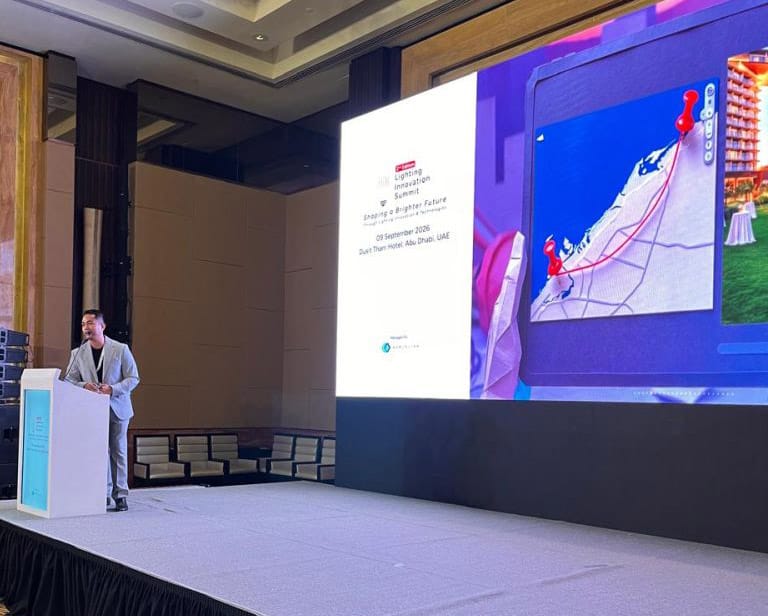
Can the design intent we set on Day One be sustained years later? Ellis Mandia presents at the Lighting Innovation Summit, Abu Dhabi

dpa Associate Ellis Mandia was invited to speak at the Lighting Innovation Summit in Abu Dhabi on 9 September, presenting to an audience of lighting consultants, government representatives, architects, engineers and urban designers.

His talk, “Advancing Outdoor Lighting Excellence”, went back to the root of the word sustainability, the capacity to be maintained or kept going over time, and turned it into a single question for lighting: can the design intent we set on day one be sustained years later? Ellis argued that as an industry we measure what a scheme consumes, and almost never whether the light itself survives the environment it is installed in.

The session was a refresher on how to read a lifespan declaration correctly, covering the L value, the B value, the projected hours, and the temperature those numbers were tested at, and why a figure produced in a 25°C laboratory says very little about performance on a building in the Gulf. That responsibility sits with the specifier. Nobody else in the process is going to interrogate those numbers, so it falls to designers to understand what is actually being declared and to use it to their advantage when selecting products, so the intent set at the start can still hold years later.

We cannot change the climate we build in, but we can change what we ask before we specify.

in Press & reviews

Design Discussions – Designing Internationally

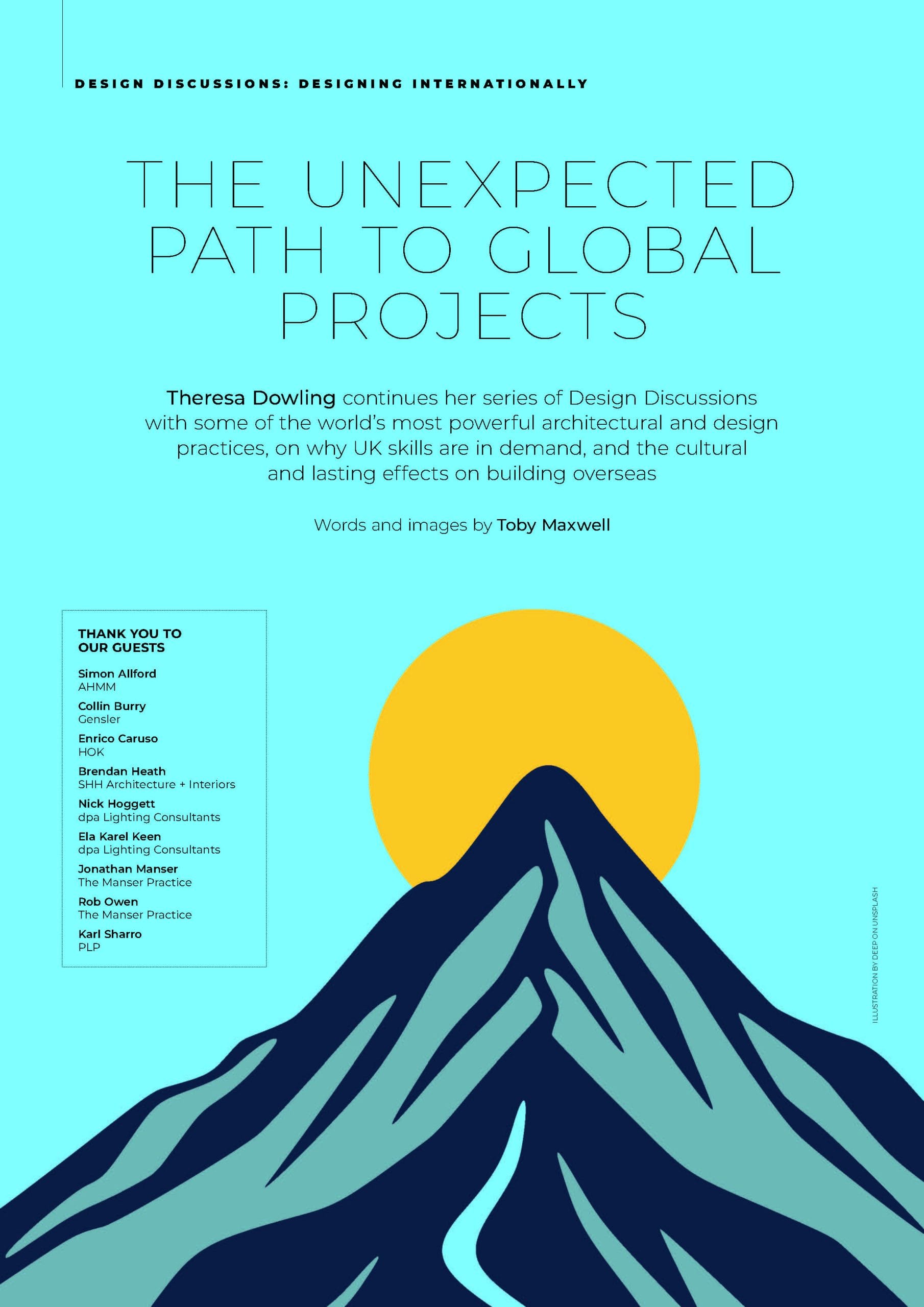
The Unexpected Path to Global Projects

Theresa Dowling continues her series of Design Discussions with some of the world’s most powerful architectural and design practices, on why UK skills are in demand, and the cultural and lasting effects on building overseas. Nick Hoggett (Partner) and Ela Karel Keen (Senior Associate) had the pleasure of joining the panel, which also featured Simon Allford (AHMM), Collin Bury (Gensler), Enrico Caruso (HOK), Brendan Heath (SHH Architecture + Interiors), Jonathan Manser (The Manser Practice), Rob Owen (The Manser Practice), and Karl Sharro (PLP).

To read the article, click here.

in Press & reviews

Congratulations to Iain Carlile

Congratulations to Iain Carlile on his promotion to Managing Senior Associate. Having been with dpa’s London studio for nearly 22 years, Iain has led a wide range of high-profile projects across multiple sectors, playing a key role in shaping the practice’s success. We wish him every success in his new role.

in Press & reviews

Mandarin Oriental, Vienna

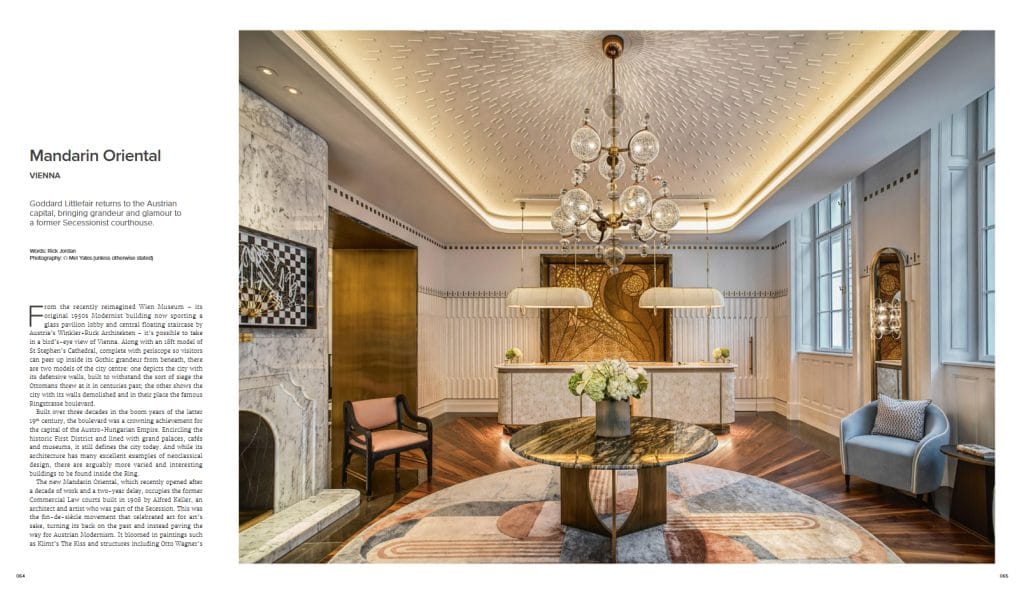
Mandarin Oriental, Vienna is featured in a recent issue of Sleeper Magazine, highlighting the sensitive restoration of a historic Art Nouveau courthouse, now reimagined as a contemporary luxury hotel. dpa collaborated with Goddard Littlefair and Humbert & Poyet on the lighting design. Please click here to read the article in full.

in Press & reviews

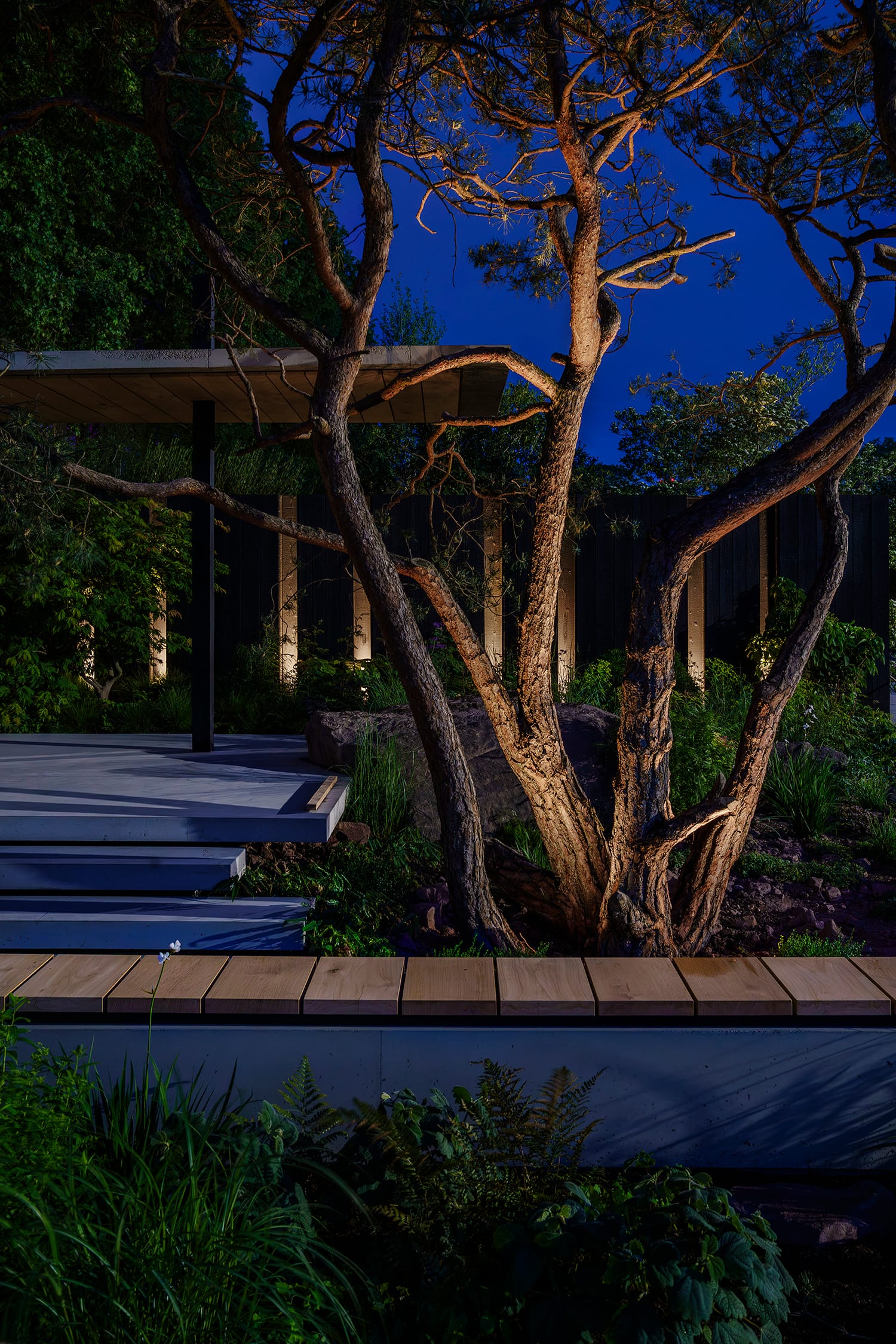
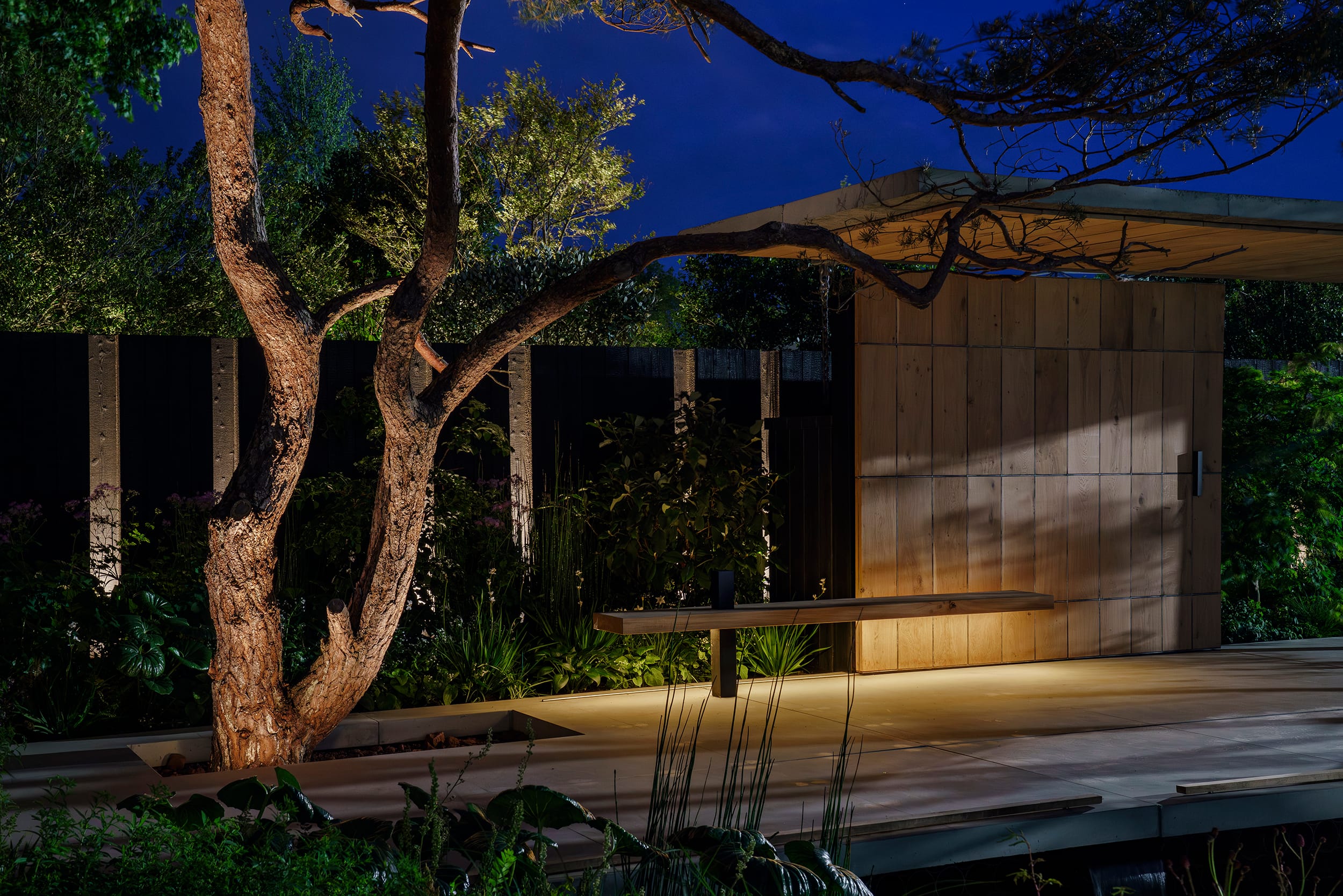
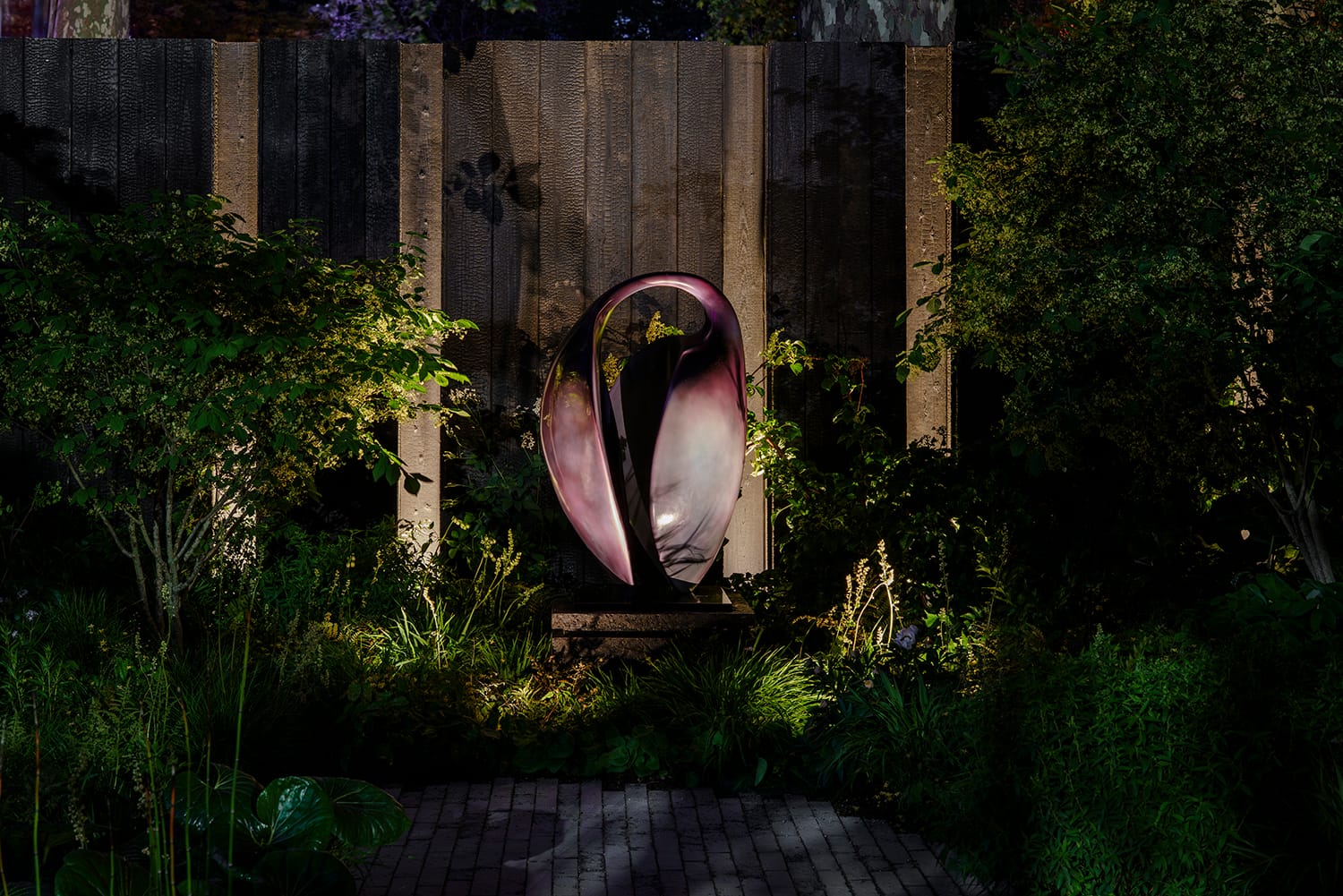
RHS Chelsea Flower Show 2026 – The Asthma and Lung Breathing Space Garden by Angus Thompson

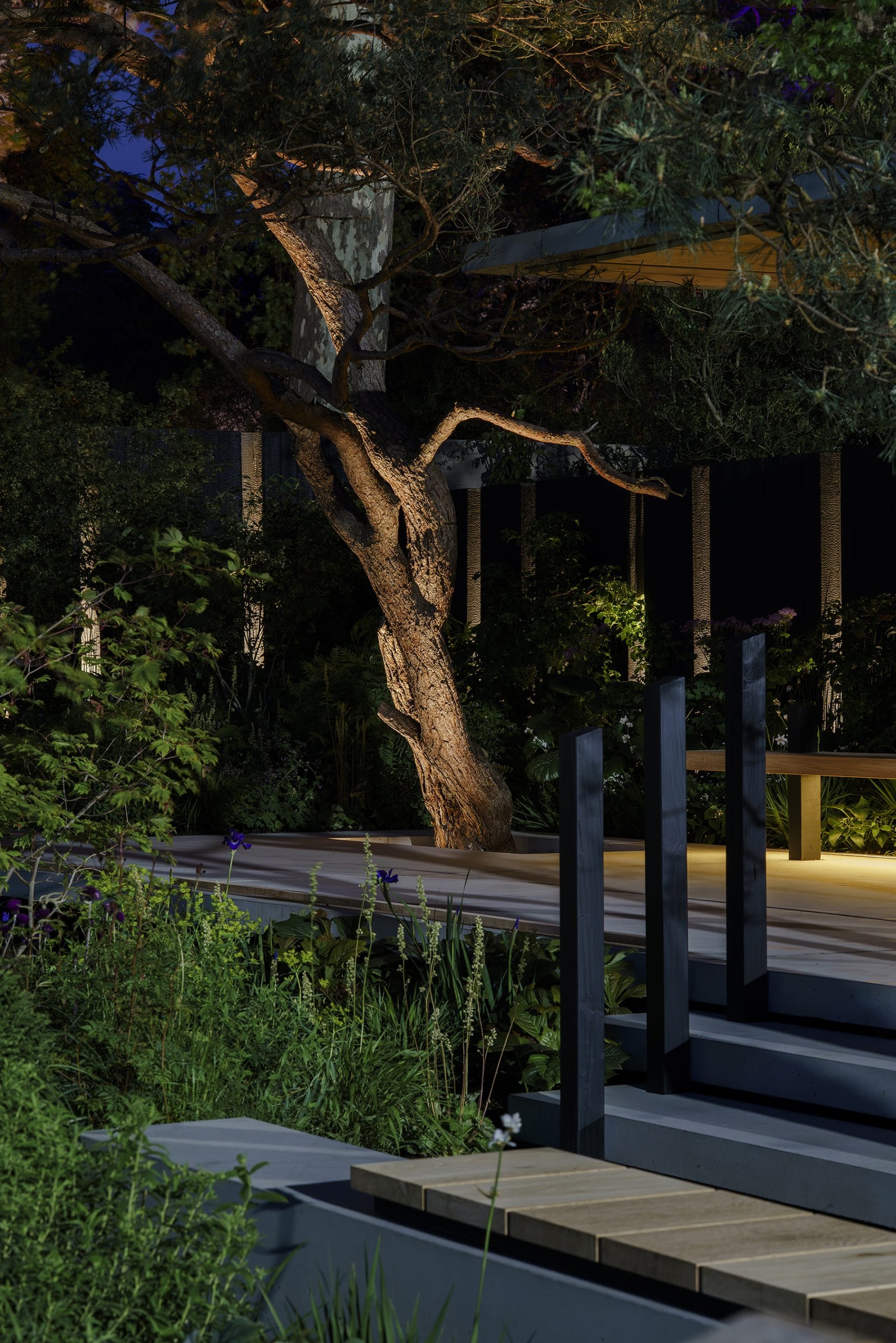
dpa was delighted to do the lighting design for Angus Thompson’s stunning garden, which won a Silver medal at this year’s RHS Chelsea Flower Show.

Sponsored by grant-giving charity Project Giving Back, The Asthma and Lung Breathing Space Garden is conceived as a restorative “breathing space” for people living with lung conditions. Accessible paths, therapeutic planting, and a tranquil platform for breath-focused practices come together to create a place to pause, regain strength, and reconnect with both self and others.

The garden will be relocated to the Breathing Space Lung Rehabilitation centre in Rotherham, supported by Asthma and Lung UK and maintained in partnership with the local community.

To read more about the design of this magical space, click here.

To read more about the story behind the garden, click here to visit the Asthma and Lung UK website.

Landscape Design: Angus Thompson Design
Project Manager & Landscape Contractor: Dan Flynn
Electrician: Christopher Tomlinson – Inglewood Power
Lighting Manufacturer: Light Graphix
Photography: Rachel Warne Photography

in Press & reviews

Strengthening our BIM Team in the Dubai studio

We are delighted to welcome Joseph Dean Aquino to our Dubai studio as a CAD/BIM Technician. He joins a growing BIM team, recently strengthened by the promotion of Maria Emeliza Ybardolaz to BIM Manager. We warmly congratulate Maria on her promotion and wish Joseph every success in his new role.

in Press & reviews